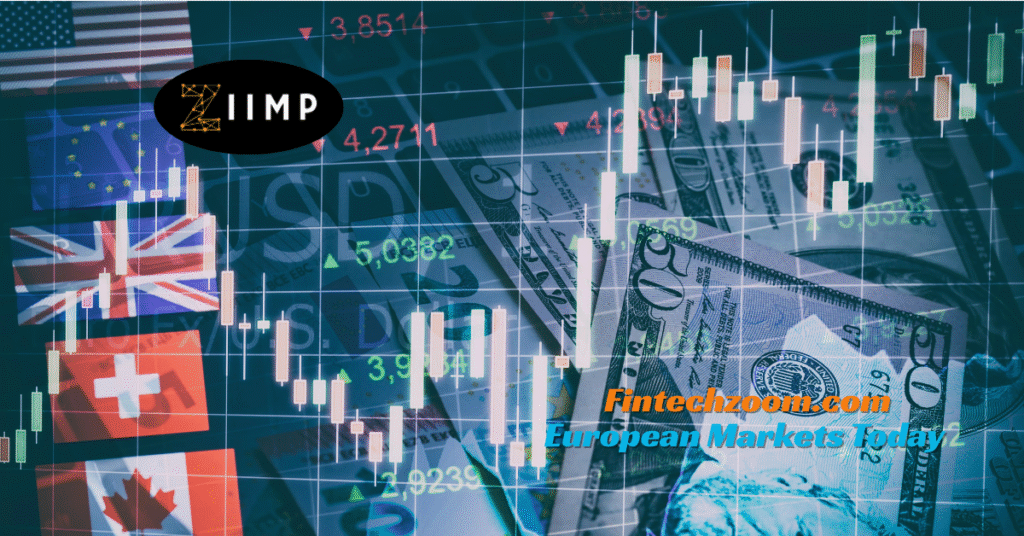
Fintechzoom.com European Markets Today provides real-time updates on Europe’s financial markets, tracking the latest movements in major indices, sector performance, and currency changes. Investors can get actionable insights into what’s influencing European stocks and overall market trends.
This article will provide an in-depth look at the European markets today, highlighting major European indices, sector performance, and key drivers such as inflation data, interest rates, currency movement, and geopolitical risks. You will also find investment insights, market trends today, and guidance for monitoring the markets through platforms like Fintechzoom.com, helping both short-term traders and long-term investors make informed decisions.
Why European Markets Matter Globally
European markets play a pivotal role in the global economy. Indices such as the FTSE 100, DAX 40, CAC 40, Euro Stoxx 50, and IBEX 35 reflect the health of major European economies and provide signals for investors worldwide. Movements in these markets influence global capital flows, cross-border investments, and often set the tone for Wall Street and Asian markets.
Historical Evolution of European Markets
Over decades, the European economy has gone through major shifts, from rebuilding after war to forming unified markets and introducing the euro. Financial hubs like London and Frankfurt re‑emerged and allowed for deeper integration of European stocks across borders. The European economy later encountered the Greek debt crisis and pan‑Eurozone debt stresses, which left lasting scars on the structure of European investor sentiment and risk. In recent years, sectors such as technology, luxury stocks, and green energy have taken more prominence as part of the region’s evolution.
Major European Indices: Today’s Pulse
The performance of European indices today provides a clear view of how the European economy and its major sectors are moving. These indices reflect the combined impact of domestic and global factors such as interest rates, currency movement, inflation data, and market volatility. Tracking the FTSE 100, DAX 40, CAC 40, Euro Stoxx 50, and IBEX 35 helps investors and traders understand the market pulse and sector performance across Europe.
FTSE 100 (UK)
The FTSE 100 is heavily exposed to global business, with many firms earning outside the UK. It often reflects the combined impact of the UK market focus, Brexit impact, and fluctuations in the GBP/USD and Euro /USD currency pairs. A weak pound supports export earnings but may eat into foreign‐profit translation.
DAX 40 (Germany)
Germany’s DAX 40 is dominated by industrials, autos, and tech sectors that rely on exports and global supply chains. When German production, industrial output, or Chinese demand weakens, the DAX has felt the pressure. It is a lens into how the European economy is doing in a global context.
CAC 40 (France)
The CAC 40 features luxury goods, pharma, and energy firms. With strong exposure to China and global travel, the index often responds to swings in luxury stocks and global tourism trends.
Euro Stoxx 50
As a pan‐European blue‐chip index, the Euro Stoxx 50 offers a view of the entire region rather than a single country. It captures shifts in sectors and cross‐border investment flows, making it useful for tracking broad European indices.
IBEX 35 (Spain)
The IBEX 35 is more niche, blending banks and energy firms with significant domestic exposure. It frequently reacts to changes in interest rates, government policy, and European debt concerns.
Explore our post — iCryptoAI.com Innovation — to learn how AI and blockchain are combining to reshape crypto trading.
Top Gainers and Losers: Stock Performance Today
The daily performance of European stocks highlights which companies and sectors are benefiting from market conditions and which are facing pressure. Tracking top gainers and top losers provides insight into market trends today, investor sentiment, and the impact of corporate earnings, currency movement, and sector performance on European indices.
Top Gainers
When the region is in a risk‐on mood, firms in tech (e.g., companies akin to SAP stock), luxury goods (similar to LVMH stock), or banks benefiting from rising yields (e.g., HSBC stock) often lead. Gains of 2‑4% are common when company news beats expectations or when export demand surges.
Top Losers
Conversely, when volatility strikes or global growth concerns loom, energy stocks (comparable to BP stock), auto stocks (such as Volkswagen stock), and commodity-related names often lag. Losses of 1.5‑3% can appear quickly when market volatility rises.
Macro Drivers: Inflation, Interest Rates & Fiscal Policy
Understanding the main market drivers today is key to interpreting movements in European indices and sector performance. Factors like inflation data, interest rates, and fiscal policy shape investor decisions, market volatility, and risk management strategies. This section explains how these macro drivers affect European stocks and the broader European economy.
Inflation Trends Across Europe
In the Eurozone, inflation held at around 2.0% in mid‑2025, which matches the level targeted by the ECB rate guidance. In contrast, UK inflation reached 3.8% in recent readings, higher than many peers. This variation in inflation affects how markets price risk, which sectors benefit, and expectations of monetary policy.
Rate Changes & Market Reactions
When interest rates change, it influences equity valuations (discounting future profits), bond yields, and risk‐on sentiment in the markets. European banks may benefit when rates rise, while growth stocks may come under pressure. Monitoring how central banks act is key to understanding the response.
Fiscal Policy Updates
Government spending decisions, green energy subsidies, budget cuts, or tax changes influence the European economy and thus European stocks. For instance, expansive fiscal policy can boost infrastructure, energy, or banking sectors, while austerity can tighten consumer demand.
Central Banks: ECB, BoE & Global Policy Impact
Central banks are key drivers of market trends and investor sentiment in Europe. Their decisions on interest rates, monetary policy, and forward guidance directly influence European indices, currency movement, and risk management strategies. Watching the actions of the ECB and BoE helps investors understand short-term market volatility and sector reactions.
ECB Policy Updates
The European Central Bank (ECB) plays a significant role in setting the tone for the region. When the ECB signals a pause or plan for rate cuts, markets respond with shifts in yields, currency strength, and European market update sentiment.
Bank of England Policy Updates
The Bank of England (BoE policy) affects the UK market, currency (GBP/USD), and, by extension, investors with global holdings. A hawkish BoE may strengthen the pound but hurt UK exporters; a dovish stance may support growth but weaken the currency.
Sector Performance Breakdown
Understanding sector performance is key to interpreting movements in European indices and European stocks. Different sectors respond differently to interest rates, inflation data, currency movement, and geopolitical risks. Monitoring how each sector performs provides insights into market trends today and helps investors make informed decisions.
Banking & Financials
The banking sector in Europe gains when interest rate margins widen and credit conditions stabilize. However, stress in the system or uncertainty in regulation can weigh heavily on banks.
Energy
The energy sector is tied to commodity prices and geopolitical risk. Europe’s energy dependence, especially on natural gas, means that supply disruption or price spikes can quickly impact broader indices.
Technology
In the technology sector, European firms are increasingly active in AI, semiconductors, and digital services. The growth of Fintech startups and digital platforms enhances demand and investor interest.
Automotive
The automotive sector in Germany and Europe is under pressure from global competition, especially from China, and from shifts in consumer preferences toward EVs. Export weakness or trade barriers can hurt this sector.
Pharma & Healthcare
In a less volatile climate, the pharma sector often serves as a defensive play. Regulatory changes, patent news, and global demand for healthcare also influence this part of the market.
Forex & Currency Market Insights
Currency movement in Europe matters for exporters, importers, and investors. The Euro/USD pair and GBP/USD both reflect macro conditions, global capital flows, and central bank expectations. A weaker euro supports export firms in the region; a stronger pound may boost importers but hurt exporters.
Bond & Debt Market Overview
Yields on German Bunds, spreads on peripheral euro‐area sovereigns, and UK gilt movements all signal market drivers today. For example, widening spreads between Italian debt and Bunds suggest elevated risk aversion; this can cause a broader dip in European indices as investors shift to safe havens.
Commodities & Energy Market Trends in Europe
The commodities and energy markets have a direct influence on European stocks and sector performance. Shifts in oil prices, natural gas, and industrial metals often affect market volatility, inflation expectations, and investor decisions. Monitoring these trends helps understand market drivers today and anticipate moves in European indices.
Oil, Gas & Energy Prices
When oil prices or natural gas surge, European manufacturers and consumers both feel the impact. Higher energy costs translate into inflation, and that ripples through sector breakdowns, especially energy and industrials.
Metals & Commodities Influence
Falling copper prices or weaker metals demand typically reflect manufacturing softness and weaken sectors tied to resources. That can drag European stocks even when broader sentiment remains stable.
Geopolitical & Global Pressures Impacting Markets
Events such as geopolitical risks, trade tensions, supply‐chain disruptions, and the energy crisis in Europe are major factors in how investors view risk in the region. These pressures can offset any positive sector or macro trend and trigger sharp moves in global markets and European recovery narratives.
Earnings & Corporate News Influencing European Markets
When major European firms report strong or weak results (e.g., earnings misses or dividend cuts), that news quickly translates into reactions in the European economy, stock performance, and sector sentiment. Corporate announcements matter not only for the firm but often for peers and related sectors.
ETFs, IPOs & Investment Opportunities Today
Tracking investment opportunities in Europe involves watching both established instruments and new market entrants. European ETFs provide exposure to broad market trends, while IPOs offer insights into emerging companies and sectors that can shift European indices or sector performance. Understanding these opportunities helps investors gauge market pulse and adjust strategies.
Notable ETFs Tracking Europe
For investors looking at broader exposure, European ETFs offer a way to play the entire region rather than individual names. These funds move with the combined performance of European indices and sectors, and are useful tools in portfolio allocation.
Recent IPO Highlights
Europe has seen renewed interest in listings post‑slowdown, and IPO highlights can alter market dynamics, bring fresh capital, and create momentum in select sectors. Keeping an eye on newly listed companies gives an early mover advantage in investment insights.
Investor Psychology & Market Sentiment
How investors feel—whether they are in a risk‑on sentiment or a risk‑off sentiment mood—impacts flows into or out of Europe. The rise of trading apps and Fintech insights means more retail participation in European markets, which can amplify trends and volatility even if fundamentals are unchanged.
Europe vs US & Asia: Comparative Market Analysis
Comparing the European indices’ performance to the US and Asian markets helps investors understand directional shifts in global capital. If Europe underperforms while the US gains, it may signal a portion of funds rotating away. The global market context is crucial for interpreting regional strength or weakness.
Explore our post — Money6x.com Explained — to learn how this platform can help grow your money smartly.
Long‑Term Trends: ESG, Green Transition & Digital Transformation
Europe is a leader in ESG investments and the green energy transition, which feeds into long‑term market themes for the region. The push toward digital transformation, Fintech startups, and regulatory leadership in sustainability offers structural opportunities beyond the day‑to‑day market snapshot.
Fintech & Technology Impact on European Markets
Technological change and digital finance are reshaping how markets operate in Europe. Fintech startups, platforms that provide real‑time data and analysis like Fintechzoom.com, are influencing how both institutional and retail investors engage with the region. This trend adjusts market drivers and opens new pathways for investment.
Trading Strategies & Risk Management Tips
Understanding trading strategies and risk management techniques is essential for dealing with market volatility in European stocks. By monitoring market trends today, macro data, and sector performance, investors can make informed decisions while protecting portfolios from unexpected shocks.
Risk Mitigation Techniques
Splitting exposure across countries and sectors helps avoid shocks from any single European economy. Using hedges on currency and interest rate exposure is wise given current volatility. Watching macro data such as PMI data, retail sales, and unemployment rate gives early warnings.
Trading Strategies for Volatile Markets
When market volatility rises, a short‑term strategy might be to favour export‐oriented stocks if you expect the euro to weaken, or to underweight energy or auto names if you see commodity pressure. Monitoring trading volume and sector rotations enhances timing.
What’s on the Watchlist: Key Indicators & Events for Tomorrow
Investors should keep an eye on upcoming releases like German production, the Euro‑area composite PMI, or any Eurozone policy signals. These items often serve as triggers for moves in the market pulse of Europe. Setting alerts through platforms like Fintechzoom.com helps stay alert.
Future Outlook & Market Forecast
In the short term, the region may experience modest gains if inflation remains contained and central banks maintain steady guidance. Over the medium to long term, structural shifts such as the green transition, digital finance expansion, and recovery in export demand will support the region. However, upside is dependent on managing risks such as rate hikes, global slowdown, or major geopolitical events.
Explore our article — AnalyzingMarket.com Explained — for a clear look at how this platform covers finance, markets & tech.
FAQs Related to fintechzoom.com European Markets Today
What are “European markets” and why should I care?
“European markets” refer to the stock markets and financial systems in Europe—including the major ex, exchanges and indices in the eurozone, UK, and other countries. They matter because they influence global capital flows, have major companies listed, and can provide insight into how the global economy is shifting.
How can I use the information from Fintechzoom.com to track European markets?
On Fintechzoom.com, you can view real‑time data for European indices, view sector performance, monitor company news, and check currency and commodity impacts, ts. Using it helps you see what is moving in the European economy and where investment opportunities may lie.
Why do indices like the FTSE 100, DAX 40, CAC 40, Euro Stoxx 50, and IBEX 35 matter?
Those indices represent large swaths of the European economy: the FTSE 100 (UK) covers major UK‑listed companies, the DAX 40 covers key German firms, the CAC 40 covers France, the Euro Stoxx 50 covers rs top euro‑area companies, and the IBEX 35 covers Spain. Their performance gives a quick market snapshot of how Europe is doing overall.
What drives major moves in European markets today?
Major drivers include inflation data, interest rates, actions by central banks like the ECB or BoE, currency movement, commodity and energy price shifts, geopolitical risks, and corporate earnings. All these factors influence whether markets move up or down on any given day.
How do forex markets influence European market performance?
Currency pairs like Euro/USD and GBP/USD affect exporters and importers. A weaker euro can boost profits for export‑heavy European companies, while a stronger pound can hurt UK exporters but help importers. Thus, currency movement is important to understand European stocks in context.
What role do commodities and energy prices play in Europe’s markets?
Because Europe has significant energy imports and relies on commodities for manufacturing, shifts in oil prices, natural gas costs, and metals (like copper) can raise production costs, affect inflation, and hurt sectors such as energy and industrials. These changes often ripple through market sentiment.
How can I apply trading strategies or risk management in Europe’s markets?
You can use th,e data from indices, sectors, currencies, and macro‑events to guide which European sectors to favour (or avoid). You can also hedge currency risk, and diversify across countries and sectors, set stop losses or caps on ex, exposure when volatility spikes. Thawas asa why you are prepared for short‑term trends and market volatility.
Why compare European markets with U.S. and Asian markets?
Comparing Europe with the U.S. or Asia helps you see where global capital is underperforming, whether Europe is underperforming or outperforming, and if market sentiment is shifting regionally. This helps frame whether Europe is a risk or an opportunity relative to global markets.
What are some long‑term themes important for European markets?
Some key themes include ESG investments, the green energy transition, digital transformation, the rising importance of Fintech startups, and structural changes in how the European economy operates. These themes might shape investment for years, not just days.
What should I watch for tomorrow if I’m investing in Europe?
Look for upcoming macro data like PMI, retail sales, unemployment rate, any central bank commentary, currency and commodity updates, and corporate earnings. Having these on your investor watchlist can help you anticipate potential swings in European indices, sector performance, and overall sentiment.
Conclusion
Europe’s markets are at a dynamic intersection of trend, policy, and global flows. From the banking sector to luxury stocks, from currency hedging to commodity shocks, the combination of factors influencing the region is broad. By following the data, keeping tabs on the European economy, and using insights from sources like Fintechzoom.com, you can position yourself for both short‑term opportunities and long‑term change in the region.
Check out our website — Ziimp.net — for insights on credit cards, markets, tech, and trading.
Author Profile

- I am the editor and publisher at Ziimp.net. I write clear and helpful content about credit cards, markets, technology, and trading. My focus is on simplifying finance and using smart tools to help readers make better decisions. I also explore new ideas to improve the platform and create a better experience for users.
Latest Posts
 FinanceDecember 13, 2025Indexationnews com Explained: Honest Guide to Finance & Loans
 FinanceDecember 13, 2025AnalyzingMarket com Explained: Honest Insights & Reviews
 TechnologyDecember 12, 2025SSIS 469 Error Explained: Ultimate Causes, Fixes, and Prevention
 ReviewDecember 12, 2025Techmapz com Guide 2025: Full Comprehensive Platform Overview