
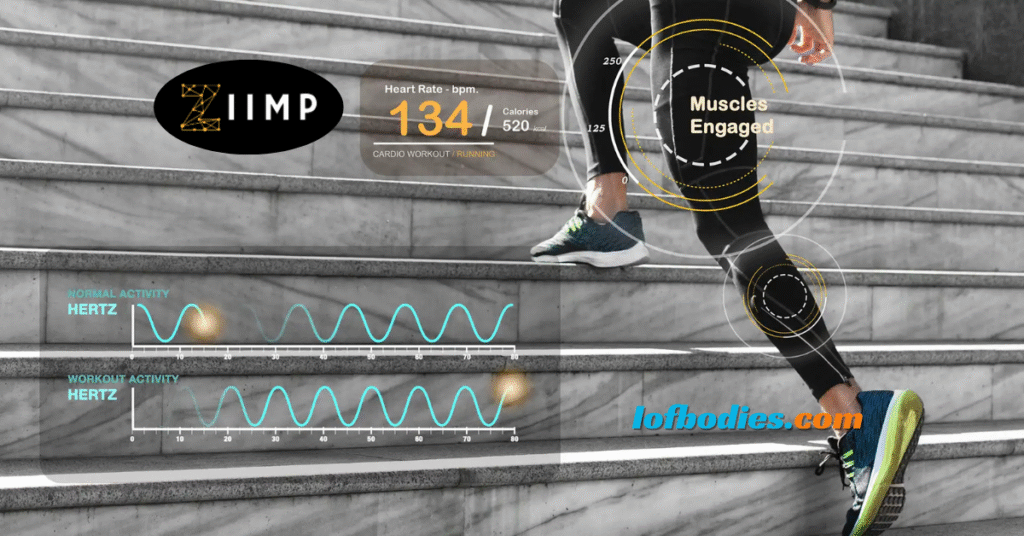
The website iofbodies.com explores the growing field of the internet of bodies, where smart wearable devices, medical implants, and other body sensors connect human health and wellness data to the cloud. On a practical level, the platform highlights how connected devices might monitor heart rhythms, track sleep and activity, or assist with remote monitoring of chronic conditions. At the same time, it addresses underlying themes of ethics and privacy, data security, and how individuals might maintain user privacy and data ownership within this evolving human-technology integration.
What is iofbodies.com and How Does It Work?
At its core, iofbodies.com acts as a research and information hub about the Internet of Bodies (IoB). It gathers studies, explains communication protocols, and outlines how smart devices and medical technology integrate with human bodies. Users of the site can learn how a wearable heart monitor sends data through a secure connection to secure servers, how a medical implant interfaces with an app, and what frameworks govern these systems. In this way, the platform serves a dual role: one, introducing the mechanics of device connectivity and technology updates, and two, raising awareness around health data, privacy concerns, and ethical implications of a human-body network.
Overview of iofbodies .com: Purpose and Vision
The purpose of iofbodies .com is to make the complexities of bioelectronic devices, neural engineering, and human augmentation accessible to a broader audience. Its vision is to bridge the gap between technical specialists and everyday users by offering insight into how wearable tech, fitness tracking, health monitoring, and smart healthcare systems are evolving. It also seeks to prompt dialogue around ethical responsibility and privacy protection in a world where body data collection and device security are front-of-mind. The platform positions itself as a conduit for “innovation and research” in digital health and connected health while urging more privacy awareness in these spaces.
Key Features That Make iofbodies.com Stand Out
One of the strongest features of iofbodies.com is its focus on the intersection of technology integration and human health, rather than simply listing products. The site offers clear explanations of communication protocols for body sensors, a dedicated section on ethics and privacy, and curated research articles on medical diagnosis via wearable sensors and medical implants. Another standout feature is the emphasis on user control: many articles discuss informed consent and data ownership, addressing how a person’s personal health information is used once captured by the network of connected devices. Finally, by covering topics from fitness and wellness to workplace efficiency, the site shows how the internet of bodies could touch everyday life, not just specialized medicine.
iofbodies. com Applications: Transforming Lives
The iofbodies applications section shows how the internet of bodies is reshaping what we understand as health, wellness, and productivity. By combining wearable sensors, medical implants, and smart devices, many areas of daily life are being impacted. For example, health monitoring now often includes devices that transmit real-time data; fitness tracking has moved beyond simple step counts to smart garments and integrated sensors; and workplaces are testing systems that observe fatigue or stress via body data. Through these applications, connected health becomes more than a buzzword—it becomes a part of routine life.
Healthcare: A New Era of Care
In healthcare, the internet of bodies is enabling new models of care. With remote monitoring, clinicians can track vital signs continuously and intervene earlier when red flags arise. A notable milestone is a 2020 report by RAND that identifies both the opportunities and risks of IoB in health systems. Implantable devices like modern pacemakers carry sensors and connectivity that allow for medical technology to act in real time. As the platform explains, personalized medicine enabled by sensors means treatment plans can adapt to the individual’s physiology and rhythm, adding layers of precision to standard care.
Fitness and Wellness: Personal Monitoring & Coaching
Three key trends define the use of the internet of bodies in fitness and wellness: continuous tracking, real-time feedback, and human augmentation of performance. For example, wearable devices track heart rate, sleep patterns, stress levels, and more, transforming data into actionable insights. Smart clothing with integrated sensors captures movement and breathing, which helps in performance tracking and injury prevention. iofbodies .com covers how all of this is part of the broader shift to “smarter” fitness and wellness, enabled by wearable tech, body sensors, and the networked flow of health data.
Explore our post — AnalyzingMarket.com Explained — for insights into how this platform covers market trends and financial news.
Workplace Efficiency: Boosting Productivity
Workplaces are starting to deploy devices and systems tied into the human body network with the goal of improving productivity and safety. Systems might monitor fatigue through wearable sensors or assess ergonomics via smart chairs and body metrics. The promise: better workplace efficiency and fewer accidents. But as emphasized, these applications also carry meaningful concerns around surveillance and privacy protection. In one sector-wide view, companies experimenting with such tools report measurable outcomes—but they also trigger debate about how much monitoring is too much.
Ethical Considerations of iofbodies com
The ethical dimension of the internet of bodies revolves around concept-shifting ideas like consent and autonomy, data ownership, and the possibility of data misuse. With devices that blend into bodies or track intimate metrics, the traditional boundaries of technology and human experience become unstable. Scholars argue that we must rethink what it means for technology to integrate so deeply with our bodies. The platform iofbodies com foregrounds discussions about the right to opt-in, the fairness of device access, and how society treats the data that emerges from our bodies.
Consent and Autonomy: Understanding User Agreement
One of the most compelling concerns in the field is the question of real, informed user consent. When a person enrolls in a wearable wellness program or uses a smart device, do they properly understand how their body data is shared or used? iofbodies.com highlights that many users agree to data collection without reading detailed terms, giving up meaningful autonomy over their personal metrics. As control over data becomes more abstract, the idea of informed consent becomes critically important.
Data Ownership: Who Controls Your Information?
If a heart monitor records your beats and sends those to the cloud, who owns those data points? Is it the user, the device manufacturer, the cloud provider, or the medical institution? The site iofbodies. com explores how data ownership is a contested topic within the internet of bodies ecosystem. Without clear ownership rights, individuals may have limited control over how their health data and personal data are shared, sold, or analyzed, raising significant questions around fairness and equity.
Potential for Misuse: Risks and Challenges
When devices are woven into the human body network, the potential for misuse grows. Data misuse, unwanted tracking, algorithmic discrimination, and even physical safety threats become relevant. According to research, IoB devices share many of the vulnerabilities of IoT but with higher stakes because they directly impact human bodies. The platform warns that without strong oversight, devices meant for wellness or health can be repurposed for surveillance, profiling, or exploitation.
Privacy Concerns and Data Protection
Privacy concerns in the context of the Internet of Bodies are far from theoretical. Because the devices collect intimate physiological signals, breaches or leaks can affect a person’s dignity, medical standing, or financial life. iofbodies.com emphasizes that data protection practices must be elevated to match the sensitivity of the information involved. This means stronger encryption, robust access controls, and clear rules about third-party sharing of biometric and health metrics.
Data Security: Protecting Against Hacks
The technical layer of device security is critical in the IoB space. Unsafely configured implants or wearables can pose severe risks. The RAND report pointed out that governance for IoB devices is patchwork, and many consumer devices fall outside stringent regulation. A breach in a medical implant’s firmware or an improper secure connection could lead to real-world harm. iofbodies.com points to best practices such as encryption, regular patching, secure servers, and secure firmware updates as fundamental to strong security standards and information security.
User Privacy: Balancing Convenience and Safety
Every time a fitness tracker or implant records data, it chooses convenience over invisibility. The site iofbodies.com explores how a person’s decision to adopt a smart device involves trade-offs between enhanced capability and reduced privacy. The notion of user-friendly technology must be balanced against the risks of constant surveillance and external access to body data. Protecting privacy in a world of connected health is now part of the conversation.
Regulatory Landscape: Laws and Guidelines
Regulation in the space of the internet of bodies remains uneven. While devices used in clinical settings may fall under agencies such as the FDA, many commercial wearables do not. According to the analysis, the U.S. lacks a comprehensive federal data privacy law that fully addresses IoB data. Platforms like iofbodies. com argue for harmonised rules, clear certification of bioelectronic devices, and stronger enforcement of privacy laws that reflect the intimate nature of human-technology integration.
Comparison: iofbodies.com vs Other Online Design Platforms
When comparing iofbodies.com to typical design or general tech platforms, the differences are clear. While many online sites cater to wearable innovation, device connectivity, or smart healthcare, they often focus on consumer UX, design templates, or general IoT. iofbodies. com is distinctive in its depth of analysis on ethics and privacy, human interfaces, neural technology, and the implications of body sensors and medical implants.
| Feature / Criteria | iofbodies.com | Typical Design Platform |
| Focus | IoB research + ethics + privacy | UX/design + templates |
| Content Depth | Research reports, policy, and device security | Tutorials, UI kits |
| Regulatory Focus | High (device security, data protection) | Low to moderate |
| Audience | Researchers, clinicians, and privacy advocates | Designers, developers |
| Support for device safety | Guides + ethics + security | Usability + aesthetics |
iofbodies.com Features and Benefits
By concentrating on the internet of bodies, iofbodies.com provides a specialised hub for anyone interested in how wearable sensors, remote monitoring, and body data integrate into human health and daily life. Benefits include a curated repository of research, practical user experience guides on privacy awareness and device security, and ongoing technology updates bridging health, wellness, and policy. Users are empowered to approach personal health and connected devices with informed caution rather than blind enthusiasm.
Technology Behind iofbodies .com
The underlying technologies discussed on iofbodies .com include neural engineering, communication protocols for implants and wearables (e.g., BLE, NFC, medical radios), device integration, and analytics engines that handle health tracking and bio-data. The discourse covers how body sensors, smart devices, and medical implants form a network, how they feed health care innovation, and why secure servers and encryption are non-negotiable. The site helps users understand not just what the technology does, but how it does it.
User Experience: Simplicity and Accessibility
Although the topic is technical, iofbodies.com strives to communicate clearly to a broad audience. The site uses plain language to describe wearable tech, fitness tracking, human enhancement, and digital health workflows. This approach makes advanced topics like neural technology and device connectivity understandable to non-experts. The design emphasises user-friendly navigation, clear summaries, and resource links so that individuals of varying backgrounds can access the content.
Pros and Cons of Using iofbodies.com
One advantage of iofbodies.com is its specialised focus on the internet of bodies, meaning you get in-depth coverage of ethical issues, device security, and health and wellness intersections. On the other hand, because it zeroes in on this niche, it may not update as frequently as broader tech platforms, and it may assume familiarity with certain health-tech terms. Nonetheless, if your interest lies in how human-technology integration and body data converge, the trade-off is worthwhile.
Implications for Daily Life
The growing presence of the internet of bodies means that individuals might live with more efficient healthcare technology, receive more tailored personalized medicine, or experience new models of workplace productivity through wearable innovation. Yet the same systems raise issues of how your body’s data is used, who controls it, and how much of your life is exposed. Platforms like iofbodies. com help to highlight that the shift is happening now—and that informed use of connected devices matters in everyday life.
Future of iofbodies. com and the Internet of Bodies
Looking ahead, the internet of bodies is likely to see stronger regulatory frameworks, improved device security, deeper integration of human augmentation, and more seamless combinations of fitness and wellness, medical diagnosis, and wearable sensors. Platforms such as iofbodies.com will play a critical role in tracking these changes, educating users about privacy risks, and promoting ethical technology. The success of this era hinges not just on device rollout but on how society ensures privacy protection, data ownership, and ethical frameworks keep pace.
Check out our latest post — FintechZoom.com: European Markets Today — for fresh insights on fintech and stock trends.
Frequently Asked Questions (FAQs)
What is iofbodies.com about?
iofbodies.com is a website that explains how the internet of bodies connects smart devices, sensors, and medical implants to monitor health, improve wellness, and discuss the ethics and privacy issues that come with this technology.
How does the Internet of Bodies work?
The Internet of Bodies works by linking wearable devices and medical sensors to the Internet. These connected tools collect health data such as heart rate, sleep, or blood pressure and send it securely to doctors, apps, or cloud servers.
What are the main uses of iofbodies com?
The site focuses on healthcare technology, fitness and wellness, and privacy protection. It helps readers understand how connected devices and body sensors are changing healthcare, fitness tracking, and daily life.
Is the Internet of Bodies safe?
Safety depends on how well data security and privacy protection are handled. Strong encryption, safe device integration, and clear user consent are needed to keep personal data safe from misuse or hacking.
What are the privacy concerns with iofbodies com?
The biggest privacy concerns include who owns your body data, how it is shared, and whether your user privacy is fully protected. iofbodies.com discusses these risks and promotes responsible use of digital health tools.
Who controls the data collected by body sensors?
Control often depends on the device and its policy. Some companies keep data on their servers, while others allow users to manage it. iofbodies.com encourages clear data ownership and user control over health information.
What are the ethical issues in the Internet of Bodies?
Ethical issues include informed consent, data misuse, and fairness in access to healthcare innovation. iofbodies.com explains these challenges and why ethical technology design matters for future human health.
Can iofbodies.com help improve healthcare?
Yes. The platform shows how IoT body applications like remote monitoring and personalized medicine can improve care quality, reduce hospital visits, and help doctors make better decisions through real-time data.
How do wearable devices connect to the Internet of Bodies?
Wearable sensors and medical implants connect using communication protocols such as Bluetooth or Wi-Fi. This connection lets data flow between your body and healthcare systems through secure digital channels.
What is the future of iofbodies.com and the Internet of Bodies?
The future will bring smarter wearable tech, better data protection, stronger privacy laws, and deeper human-technology integration. iofbodies.com aims to keep users informed and safe as these innovations grow.
Conclusion
The website iofbodies.com offers a window into how the internet of bodies, wearable devices, and smart healthcare systems are converging with human lives. As this trend progresses, ethics and privacy, data security, and device integration become more than tech jargon—they become everyday concerns for users in the United States and beyond. Being informed about body data, consent, and autonomy, and the tools for privacy protection will help you engage with this future more confidently and responsibly.
Visit Ziimp.net — your go-to hub for finance, markets, tech and trading insights.
Author Profile

- I am the editor and publisher at Ziimp.net. I write clear and helpful content about credit cards, markets, technology, and trading. My focus is on simplifying finance and using smart tools to help readers make better decisions. I also explore new ideas to improve the platform and create a better experience for users.
Latest Posts
 FinanceDecember 13, 2025Indexationnews com Explained: Honest Guide to Finance & Loans
 FinanceDecember 13, 2025AnalyzingMarket com Explained: Honest Insights & Reviews
 TechnologyDecember 12, 2025SSIS 469 Error Explained: Ultimate Causes, Fixes, and Prevention
 ReviewDecember 12, 2025Techmapz com Guide 2025: Full Comprehensive Platform Overview