
Intraday trading is one of the most exciting ways to try to make money in the stock market, but it’s also risky and very different from long-term investing. In this guide, you’ll find profitable intraday trading advice 66unblockedgames.com that feels more like a smart game than a gamble. We will cover how intraday (or day) trading works, why this kind of advice matters, how to research the market, choose the right stocks, plan your trades, and manage your risk.
You’ll learn how to use chart tools and technical analysis, pick entry and exit price levels, use a stop loss, set a realistic profit target, control your emotions, and review your trades with a trading journal. By the end, you should have a clear sense of how to build trading habits and a mindset for consistent intraday profits.
What Is Intraday Trading and How Does It Work?
Intraday trading means buying and selling financial assets in the same trading session, closing out all positions before the market shuts. Unlike investing, you don’t hold stocks overnight — instead, you capitalize on small price moves during the day. This fast-paced style calls for fast decisions, strict discipline, and a strong trading plan. In terms of risk and reward, day trading can offer potential for daily profits, but it also exposes you to greater trading risks like volatility or sudden market news.
Why profitable intraday trading advice 66unblockedgames.com Matters
Not all traders make money in intraday trading; in fact, studies suggest most lose. According to recent research, only 1–20% of day traders actually turn a profit. In some analyses, only 4% of traders make a living from day trading. These tough statistics highlight how critical it is to get profitable trading advice early. If you’re trading on a platform like Ziimp .com trading or using Metatrader 4, following well-tested intraday strategies and practicing strict risk management can make the difference between consistent trading success and frequent losses.
Research the Market Before Taking Any Trade
Before placing a trade, it pays to do real market research. Scan news for market announcements, earnings reports, or other events that may move share prices. Check recent market trends and volume behavior, because trading volume often signals strong interest and potential momentum. Use a trading journal or a trade log to track how your prior decisions worked in relation to market events. That way, every time you trade, you are building a more disciplined trading mindset rather than guessing.
Choose Large‑Cap and Highly Liquid Stocks Only
For intraday traders, picking high liquidity stocks is smart. Large‑cap shares often provide enough volume to enter and exit trades quickly without huge slippage. When you trade very liquid stocks, your trade entries and trade exits become more efficient, and it’s easier to stick to your planned entry price and exit price. Less liquid stocks or small‑cap stocks can trap you in price runs you didn’t plan for, so when building a trading plan, favor names that trade heavily every session.
Build a Clear and Practical Intraday Action Plan
A solid trading plan is the heart of consistent intraday success. Your plan should lay out when you enter a trade, where you exit, and what your risk per trade is. You also need a plan for how much of your capital you’ll deploy on each trade — that ties into risk management. Decide your profit target before you enter, and when to move your stop-loss order if the trade moves in your favor. A clear plan helps you avoid guesswork and supports a trading discipline where you make decisions based on logic, not emotion.
You may also like this: Myfastbroker .com: Ultimate Guide to Insurance, Mortgages & Investments
Learn Chart Patterns and Technical Indicators
To make smarter trades, you need to understand technical analysis and chart analysis. Key technical indicators can help:
- The EMA and the SMA indicators give you a sense of trend direction.
- The RSI indicator helps you spot overbought or oversold zones.
- The MACD indicator can confirm potential buy or sell signals.
- Bollinger Bands show volatility and when prices may be stretching away from a normal range.
- Volume patterns tell you how strong a move is — high volume often backs big price moves.
Using these chart tools, you can identify reliable trade setups and trading signals to increase your chances of success.
Identify Key Price Levels Before Entering Trades
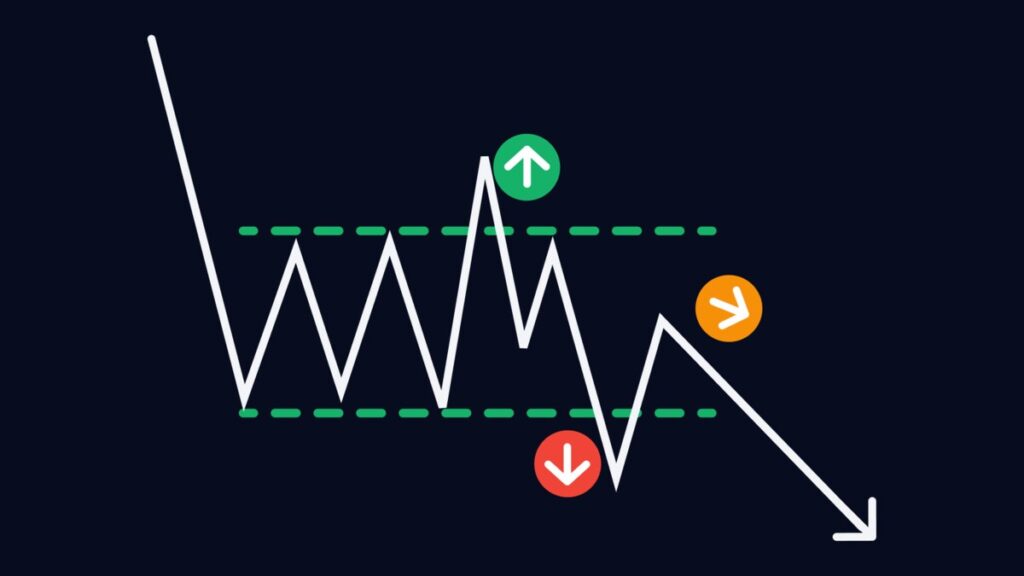
Good intraday traders don’t just guess an entry. They use chart analysis to find key support and resistance areas based on recent price action. These become potential zones for your entry price or exit price. You might combine these with pivot points or Fibonacci retracements for precision. By identifying these price levels ahead of time, you limit your risk and make more calculated trades.
Always Use a Stop‑Loss to Limit Risk
A stop-loss order is a must in intraday trading. When the market goes against you, the stop loss will close your position automatically, helping you manage risk. In good trading practice, many traders limit their risk to 1–2% of their account on any single trade. This rule ensures that even a few bad trades won’t wipe out your capital. Using stop loss consistently builds trading discipline, protects your account, and helps you stay in the game through rough sessions.
Set Realistic Profit Targets and Exit on Time
You need a realistic mindset about how much profit you can make in a day. Instead of aiming to double your capital in a session, set moderate profit targets that match small price moves typical of intraday action. When your target is hit, exit the trade — or adjust your stop loss upward to lock in gains. This helps you convert winning trades into consistent gains and avoid the trap of holding too long in hopes of more profit.
Avoid Emotional or Impulsive Trading Decisions
Trading without emotional control is dangerous. Feelings like fear, greed, or overconfidence often lead to mistakes. A strong trading mindset plan includes emotional control — not letting a losing trade turn into revenge trading, and not letting a winner turn into greed-induced risk. Keeping a trading journal that records your thoughts, entries, exits, and results can reveal recurring emotional errors. Over time, reviewing these logs helps you improve your trading habits and keep your mind steady.
You may also like this: FintechZoom .com: Ultimate Guide to Crypto & Fintech Trends
Don’t Trade Too Many Stocks at Once
When you try to trade too many positions within a single session, your focus scatters. For intraday strategies, it is wiser to limit yourself to a few carefully chosen trades rather than spreading too thin. This restraint improves your trade management and your ability to follow your trading plan. By focusing on fewer stocks, you can better track volume patterns, technical setup, and exit points — boosting your trading efficiency.
Practice on Demo Before Using Real Money
Using demo accounts or trading simulation tools provides a risk-free way to learn. With paper trading, you can test your intraday strategies, practice trade entries and trade exits, and refine your day trading strategies without risking real cash. Demo accounts help you build confidence, improve your trading discipline, and refine your technical analysis before moving to a real trading platform like Metatrader 4 or Pocket Option.
Track News, Trends, and Market Sentiments Daily
Daily market news and macro trends play a huge role in intraday opportunities. Before your trading session, you should scan for market updates like economic reports, earnings announcements, or other events. Staying aware of market volatility helps you adjust your trading mindset and spot potential momentum trades. When you combine what’s happening in the news with your technical indicators, you gain an edge in planning trade entries and exits.
Avoid Acting Like a Long‑Term Investor in Intraday
Unlike long-term investing, intraday trading isn’t about holding great companies for years. Your job as a day trader is to capitalize on short-term price action, not bet on long-term growth. If you treat intraday like investing — holding open positions overnight or expecting major long-term gains — you expose yourself to overnight risk, market announcements, and massive swings that can wipe out intraday profits. Keep your mindset focused on short-term trades, not longs that last weeks or months.
Review and Analyze Your Trades at the End of Each Day
At the close of each trading session, take time to review your trades in your trading journal or trade log. Write down what worked, what didn’t, and whether you stuck to your profit target, stop-loss order, and trading plan. Ask yourself: Did I control my emotions, make consistent decisions, and follow my strategy? This daily review helps you refine your trading habits, improve your risk management, and build consistent trading performance over time.
You may also like this: Software Ralbel28.2.5 Issue: Causes, Fixes, and Key Solutions
Frequently Asked Questions (FAQs)
H3: What is intraday trading?
Intraday trading is buying and selling stocks or other financial assets within the same day, closing all positions before the market closes.
H3: Do I need a lot of money to start intraday trading?
Not necessarily. You can start with a small amount, but you must manage risk carefully and use a trading plan.
H3: What are the best stocks for intraday trading?
Large-cap and high liquidity stocks are easier to trade because they have high trading volumes and tighter spreads.
H3: How important is a stop loss in day trading?
Very important. A stop-loss order limits your losses and protects your capital if a trade goes against you.
H3: Should I use demo accounts first?
Yes. Demo accounts let you practice intraday strategies without risking real money, helping you improve your trading discipline.
H3: How can I set a profit target?
Decide in advance how much gain is realistic for the trade, based on small price moves and your risk tolerance.
H3: What tools should I use for intraday trading?
Use chart tools and technical indicators like EMA, SMA, RSI, MACD, and Bollinger Bands to guide your trades.
H3: How many trades should I take per day?
Focus on fewer trades with clear setups. Taking too many increases trading risks and lowers your focus.
H3: How can I control emotions while trading?
Keep a trading journal, follow your trading plan, and avoid making impulsive trades based on fear or greed.
H3: Can intraday trading give consistent profits?
With discipline, proper risk management, and practice, traders can aim for consistent trading results over time, though profits are never guaranteed.
Final Thoughts
Intraday trading offers real potential — but only if you approach it with discipline, preparation, and a strong mindset. The profitable intraday trading advice 66unblockedgames.com shared here is meant to guide you on how to trade like a serious, strategic player, not a gambler. By building a trading plan, managing risk with stop loss, setting realistic profit targets, and reviewing your performance in a trading journal, you set yourself on the path to consistent intraday profits. Start on demo, practice day trading strategies, learn from every session, and keep your emotions in check. Over time, this disciplined approach can help you turn intraday trading from a risky pursuit into a meaningful skill.
✅ For more helpful articles, the latest updates, and new posts on similar topics, feel free to visit ziimp.net anytime.
Author Profile

- I am the editor and publisher at Ziimp.net. I write clear and helpful content about credit cards, markets, technology, and trading. My focus is on simplifying finance and using smart tools to help readers make better decisions. I also explore new ideas to improve the platform and create a better experience for users.
Latest Posts
 FinanceDecember 13, 2025Indexationnews com Explained: Honest Guide to Finance & Loans
 FinanceDecember 13, 2025AnalyzingMarket com Explained: Honest Insights & Reviews
 TechnologyDecember 12, 2025SSIS 469 Error Explained: Ultimate Causes, Fixes, and Prevention
 ReviewDecember 12, 2025Techmapz com Guide 2025: Full Comprehensive Platform Overview