
Silver has a timeless charm — from jewelry and silver cutlery to decorative items and heirlooms. But over time, silver items can lose their shine because of tarnish, black spots, corrosion, or scratches. Regular care can bring back that original brightness, protect the value of your pieces, and keep them looking beautiful. In this guide, you’ll see how to clean silver safely at home, understand why silver tarnish appears, learn which cleaning steps work for light, moderate, or heavy tarnish, explore gentle home remedies, and get simple silver maintenance tips to keep your silver items gleaming for years.
Understanding Silver and Tarnish
Silver items are often made from different materials: some are solid silver or sterling silver, while others are silver‑plated items or electroplated silver. Sterling silver typically contains about 92.5% silver, combined with other metals such as copper. Silver‑plated items have only a thin silver layer over a base metal. Because of this, cleaning approaches must vary. Aggressive scrubbing or harsh chemicals may strip away the thin silver layer — especially from silver‑plated items — while solid silver is generally more forgiving.
Tarnish forms when silver reacts with sulfur compounds, moisture, air pollutants, or chemicals. This chemical reaction creates a blackish layer (often silver sulfide) on the surface. On sterling silver, the alloy metals (like copper) may also oxidize, which makes tarnish and discoloration more likely. Humid air, strong perfumes or lotions, exposure to chemicals or sweat, and contact with certain materials (like rubber or wool) accelerate tarnish buildup. Understanding these causes helps explain why regular cleaning and proper storage are needed to protect your silver items.
Essential Tools and Materials for Cleaning Silver
Before starting to clean, gather the right supplies. Use a soft microfiber cloth or cotton cloth for wiping or polishing — these reduce the risk of scratches. For simple cleaning, you may only need mild dish soap and warm water. For heavier tarnish, use silver polish cream designed for silver. A soft brush — for example, a horsehair brush or soft toothbrush — will help reach into detailed engravings or intricate designs. For DIY or electrochemical cleaning, you can use common household items like aluminum foil, baking soda, vinegar, lemon juice, and salt. If you plan to handle stronger solutions or chemicals, having protective gloves and working in a well‑ventilated area helps reduce the risks of chemical exposure.
Step-by-Step Methods to Clean Silver at Home
Cleaning silver at home can be simple if you follow the right steps. Different levels of tarnish require different methods, from gentle soap cleaning for lightly tarnished pieces to stronger approaches like the electrochemical method for heavily tarnished silver. Choosing the correct method ensures your silver jewelry, silver cutlery, or decorative silver is restored safely and effectively without damage. Each approach focuses on restoring shine while protecting delicate surfaces, and understanding these methods will help maintain tarnish-free silver over time.
You may also like this: VSCO People Search: The Easiest Way to Find Any Profile
Light Tarnish Cleaning (Soap & Water Method)
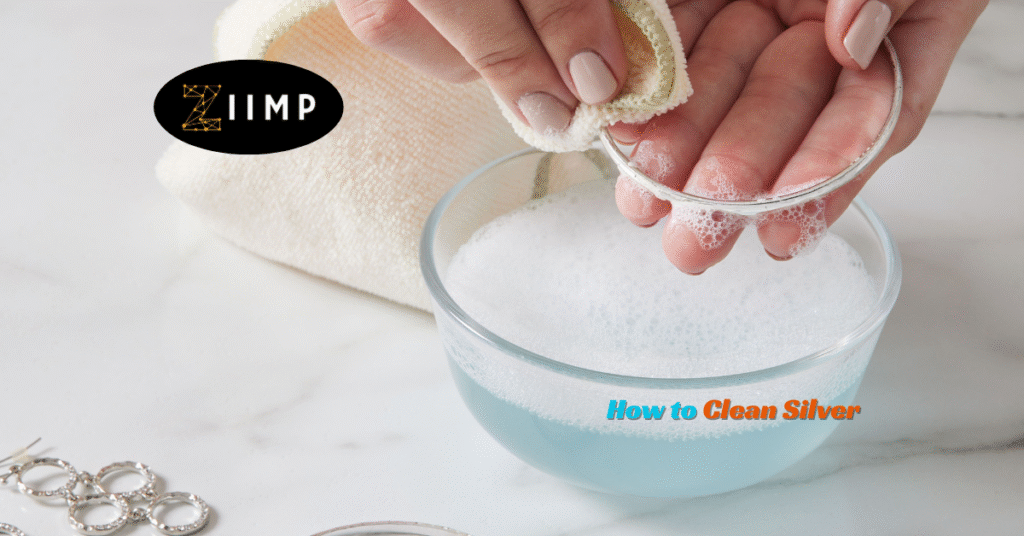
For silver items with only light tarnish or dust, start with a mild approach. Mix a few drops of mild dish soap in warm water and dip a soft cloth into the solution. Gently rub the silver surface to remove dirt, fingerprints, and light tarnish. After washing, rinse the item with clean water and dry and buff with a soft cloth to restore shine. This method is perfect for regular silver maintenance, keeping your silver looking bright without risk of scratching.
Moderate Tarnish Cleaning (Silver Polish Cream Method)
If your silver has accumulated more visible tarnish, using a silver polish cream is an effective way to bring back its shine. Apply a small amount of polish on the item and use a soft brush or cloth to gently work the cream into intricate details, engravings, or delicate designs. After polishing, rinse lightly if necessary and buff dry to complete the process. This technique works well for sterling silver, solid silver, and decorative silver pieces with moderate tarnish, providing a polished finish without damaging the surface.
Heavy Tarnish Cleaning (Electrochemical / Aluminum Foil Method)
For heavy tarnish or dark discoloration, the electrochemical method using aluminum foil, baking soda, and hot water is very effective. Line a non-metal bowl with aluminum foil (shiny side up) and place your silver items on the foil so they touch it. Pour hot water over the items and add baking soda. The heat, baking soda, and foil trigger a redox reaction that converts silver tarnish (silver sulfide) back to metallic silver while transferring the sulfur to the foil. After 5–30 minutes, remove the silver, rinse, and dry carefully. This method restores heavy tarnish efficiently with minimal scrubbing. However, it should be used cautiously on silver-plated items to prevent damage to the thin coating.
Cleaning Black Spots or Corrosion
For stubborn black spots or small corrosion areas, a mild diluted solution such as vinegar mixed with baking soda can be used. Soak the affected area briefly, then gently brush with a soft brush to remove deposits. Afterward, rinse and dry thoroughly. This method works best for solid silver or sterling silver but should be avoided on delicate silver, silver with gemstones, or enamel silver, as harsh chemicals can damage these surfaces.
DIY Home Remedies for Silver Cleaning
If you prefer not to use store-bought polish or strong chemicals, simple DIY silver cleaning approaches can do a good job on lightly tarnished pieces. A paste made of baking soda and water applied with a soft cloth gently removes light tarnish. After a short wait, rinse and dry with a microfiber cloth — often enough to restore shine on silver flatware or everyday decorative items.
You may also like this: DecoratorAdvice.com: Essential Guides for Home Décor
Another method combines vinegar and baking soda. Soak the silver item in a mixture of white vinegar and baking soda for a few hours, then rinse and dry. This can lift tarnish and oxidation effectively, though acid‑sensitive items or silver‑plated items should be handled carefully. Some people also use lemon juice with salt for light tarnish — the acidity and gentle abrasiveness can bring back shine. Non‑gel, non‑abrasive toothpaste applied with a soft cloth or brush is another simple polishing option, especially for smaller silver jewelry or everyday silver objects. These home remedies are easy and make use of ingredients many people already have at home.
These methods do have trade‑offs. Baking soda paste or vinegar/baking soda soaks may be too mild for heavy tarnish. Acidic or abrasive treatments may damage silver‑plated surfaces, silver with stones/enamel, or cause unwanted wear over time. Always judge based on the item — fine jewelry, heirlooms, or decorative items may need more cautious cleaning.
Safety Tips for Cleaning Silver
When using any of these cleaning methods, always handle your silver items carefully. Avoid harsh chemicals, abrasive materials, or dip cleaners that can damage plating or delicate details. If you use solutions involving vinegar, ammonia, or other chemicals, wear protective gloves and work in a well‑ventilated area to reduce chemical exposure. Always test a method on a small, inconspicuous part of the item first — this helps you see how the metal reacts before cleaning the whole piece. After cleaning, make sure to rinse and dry properly to prevent water spots or further tarnish.
Maintaining Silver to Prevent Tarnish
Once you’ve cleaned your silver, proper storage and maintenance help keep it shining longer. Store silver items in anti‑tarnish storage — for example, anti-tarnish bags, cloth wraps, or sealed containers — in a dry, cool environment. That reduces contact with air pollutants, moisture exposure, and chemical residues from lotions or perfumes. Gentle regular cleanings, such as wiping with a soft microfiber cloth to remove dust, fingerprints, or oils, can slow tarnish buildup. For silver cutlery or frequently used pieces, a gentle polish every few months helps maintain shine. For decorative or stored pieces, occasional checks and light cleaning help preserve them without over‑polishing.
When to Seek Professional Silver Cleaning
Some silver items deserve extra care — like antique silver, high‑value silver, or pieces with detailed engravings, gemstones, or enamel work. If tarnish is severe, or there are signs of corrosion, deep black spots, or structural damage, it’s safer to seek professional cleaning rather than risk damaging the piece. Professionals have tools and chemicals designed for delicate silver surfaces and can restore shine without harming intricate details.
You may also like this: How TechoElite Smart Homes Transform Modern Living
Frequently Asked Questions (FAQs)
What is the easiest way to clean silver at home?
The simplest way is to use mild dish soap and warm water with a soft cloth. Rub gently, rinse, and dry. This works best for light tarnish and everyday silver maintenance.
Can I use toothpaste to clean silver?
Yes, non-gel, non-abrasive toothpaste can remove light tarnish. Apply a small amount on a soft cloth, rub gently, rinse, and dry. Avoid using it on delicate or silver-plated items.
How do I remove heavy tarnish from silver?
For heavy tarnish, try the electrochemical method using aluminum foil, baking soda, and hot water. It restores shine safely on solid silver or sterling silver, but should not be used frequently on plated items.
Are silver polish creams safe for all silver?
Silver polish cream works well on solid or sterling silver, but can wear off thin layers on silver-plated items. Always follow instructions and polish gently with a soft brush.
How can I prevent silver from tarnishing quickly?
Store silver in anti-tarnish storage, avoid moisture exposure, keep it away from lotions, perfumes, and air pollutants, and do regular gentle cleaning to slow down tarnish buildup.
Is it safe to clean antique or delicate silver at home?
Antique or delicate silver should be handled carefully. If unsure, it’s better to opt for professional silver cleaning to avoid scratches, corrosion, or damage to detailed engravings.
Can I use vinegar and baking soda on all silver?
Vinegar and baking soda can remove tarnish effectively on most solid silver, but avoid them on silver-plated items, silver with gemstones, or enamel silver, as the acid can damage delicate surfaces.
How often should I clean my silver?
For silver cutlery or jewelry used regularly, a gentle wipe or light polish every few weeks keeps it shiny. Decorative items can be checked and cleaned every few months to prevent tarnish spots.
What causes black spots on silver?
Black spots or corrosion spots appear when silver reacts with sulfur, moisture, or chemicals. Storing silver in humid areas or exposing it to lotions, perfumes, and air pollutants accelerates this reaction.
Can home remedies really restore silver shine?
Yes, DIY silver cleaning using baking soda, lemon juice with salt, or non-abrasive toothpaste can restore shine for lightly tarnished silver. For heavy tarnish or valuable silver, professional cleaning is safer.
Conclusion
Cleaning silver at home can be simple and effective when you know how. Whether you’re dealing with light tarnish or heavy discoloration, the methods above show how to clean silver safely using soap and water, polish creams, or eco‑friendly home solutions. With the right tools and proper care, you can restore silver cutlery, jewelry, or decorative silver to lasting shine. Pair cleaning with good storage and regular maintenance to enjoy tarnish‑free silver for years.
Disclaimer:
“The information in this article is for educational purposes only. Always handle silver carefully, follow cleaning instructions, and use protective measures. The author is not responsible for damage to silver items or injuries; consult a professional for valuable, antique, or delicate pieces.”
✅ Check ziimp.net daily for fresh updates, useful guides, and engaging content that keeps you informed.
Author Profile

- I am the editor and publisher at Ziimp.net. I write clear and helpful content about credit cards, markets, technology, and trading. My focus is on simplifying finance and using smart tools to help readers make better decisions. I also explore new ideas to improve the platform and create a better experience for users.
Latest Posts
 FinanceDecember 13, 2025Indexationnews com Explained: Honest Guide to Finance & Loans
 FinanceDecember 13, 2025AnalyzingMarket com Explained: Honest Insights & Reviews
 TechnologyDecember 12, 2025SSIS 469 Error Explained: Ultimate Causes, Fixes, and Prevention
 ReviewDecember 12, 2025Techmapz com Guide 2025: Full Comprehensive Platform Overview