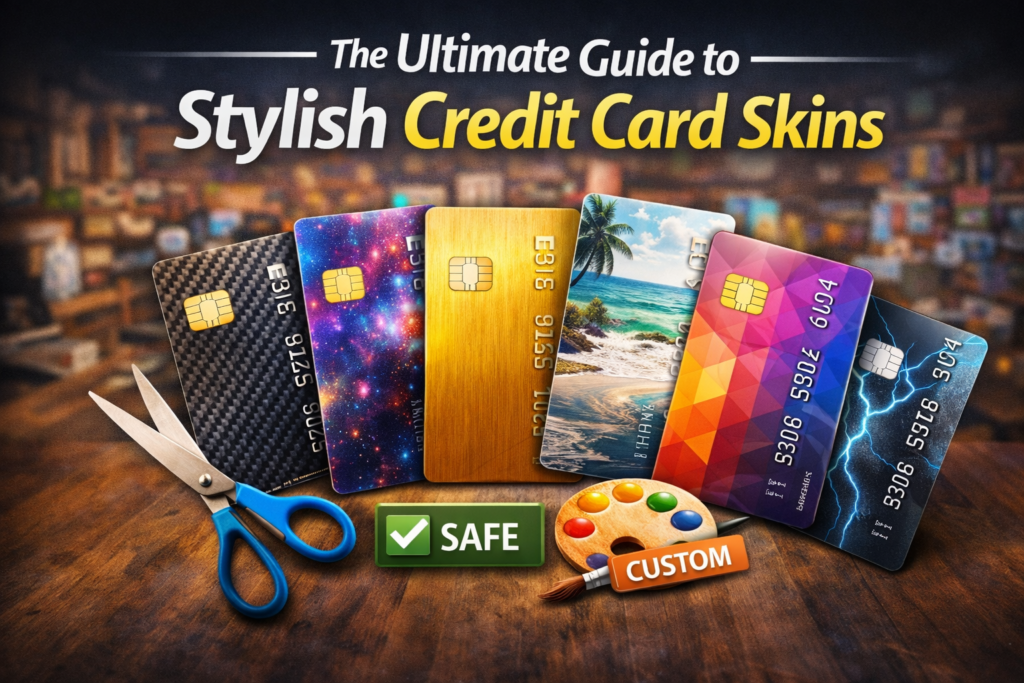
The world of credit cards is changing, and many people are now choosing bold ways to make their cards stand out. In this article, The Ultimate Guide to Stylish Credit Card Skins, you will learn what these skins are, why people choose them, how they work with different payment systems, and what you should think about before buying one. You will also find tips to choose the right design, ways to apply and remove skins without damage, and ideas to express your taste. This article will help you understand how to combine style and function in a way that feels natural for everyday use.
What Are Credit Card Skins?
Credit card skins are thin, adhesive covers that are made to fit right onto the flat surface of your card. They are thin enough that they do not change the size or shape of the card in a way that stops it from working with card readers or ATMs. Most skins are made from flexible vinyl or similar materials that stick well without leaving a sticky mess when removed. Some skins are simple patterns, while others feature bold art, personal photos, or textures that mimic metal, wood grain, or leather. Skins are designed to protect the card from scratches and general wear while letting you show something personal or unique.
Why Use Stylish Credit Card Skins?
There are many reasons people choose stylish credit card skins. One big reason is self‑expression. Plain cards with the same color and font are easy to mix up or lose. Adding a design that matches your personality makes your card easier to find in a wallet or purse. Another reason is protection. Cards can easily get scratched in a pocket or wallet, and a skin offers a layer that takes that wear instead of your card. Some people also feel more confident handing a card that reflects their taste, especially in social or professional settings. Many sellers also offer skins with inspirational art or favorite themes, which adds a layer of fun to everyday life.
How Credit Card Skins Work
Credit card skins are created to fit exactly over the flat front and back of a standard card. They are not thick, so they rarely interfere with payment systems such as contactless tap, chip readers, or magnetic stripe. The design usually includes precise cutouts so that the chip and important numbers remain fully exposed and usable. Once aligned and applied, the adhesive keeps the skin in place during normal handling and frequent use. When you want to remove or change the skin, you can peel it off slowly without damaging the card surface.
Are Credit Card Skins Safe to Use?
Many people worry that adding anything to their card could stop it from working. The good news is that well‑made skins do not interfere with payment technology. They do not block the chip or radio frequency used for contactless payments. However, very thick materials or poorly cut skins may cover parts of the card that should remain open. That can cause problems at card readers or ATMs. To avoid issues, choose skins that are clearly cut for EMV chips and contactless symbols, and read user reviews to confirm they work as expected.
Popular Styles and Themes
Skins are available in many design categories that appeal to different tastes. Some designs are simple and professional, with solid colors or fine textures like carbon fiber or brushed metal. Others are bold and expressive, featuring vibrant art, geometric shapes, or pop culture characters. Trendy themes like retro art, city skylines, or minimal line drawings are also popular. Many sellers offer seasonal options or limited editions that attract collectors. Designs that reflect hobbies, favorite colors, or personal symbols can turn a plain card into something meaningful.
How to Choose the Right Credit Card Skin
Choosing the right credit card Skin is something you should think about carefully. First, look at the material quality. Vinyl or polymer skins that resist scratches will last longer and look better with use. Next, consider the design itself. Think about how it will fit with your everyday style, your work environment, and whether it should match other accessories like your phone or wallet. Make sure the skin has precise cutouts for the chip and contactless area. Finally, compare price and quality. Some skins are inexpensive and look nice at first glance, but higher-quality options tend to last much longer without peeling or fading.
How to Apply a Card Skin Properly
To apply a skin so it looks neat and smooth, start by cleaning your card with a soft cloth to remove dust or oil. Holding the skin by the edges, align it carefully to the edges of the card before touching down with the adhesive. Press from one side to the other slowly so air bubbles do not become trapped underneath. Use light pressure with your fingertip or a soft cloth to smooth the surface and lock down the edges. Taking a little extra time with this step makes a big difference in how the finished design looks and holds up over time.
How to Remove or Switch Skins
When you want to change designs or just remove a skin, lift a corner slowly and pull gently. Because good skins use mild adhesive, they peel off without leaving sticky residue behind. If any small piece of adhesive does remain, it can usually be wiped off with a damp cloth. Switching skins is simple and safe when done carefully, and regular replacement can keep your cards looking fresh and personalized.
Do Card Skins Affect Card Function?
Most people who use quality skins find that they do not change how the card works. Contactless payments, chip reads, and magnetic strip swipes continue to operate normally after a skin is applied. Problems usually come from cheap skins that are too thick or are cut in a way that covers the chip or important symbols on the card. Paying attention to product details when buying can prevent this issue and help you enjoy both style and function together.
Cost Guide: How Much Should You Expect to Pay?
Different sellers price skins in a range that reflects material and design quality:
| Price Range | What You Can Expect |
| Around $7 to $12 | Basic designs with simple patterns |
| Around $12 to $20 | Better materials, more detailed art |
| Above $20 | Custom or limited‑edition skins |
This table shows that you do not need to spend a lot to start personalizing your cards, but spending a bit more often gets you better material and a longer‑lasting design.
Customization Options: Make Your Own
Many online vendors allow you to upload your own artwork or photos to create a custom skin. This creates a truly personal look, whether you want a unique design for yourself or a thoughtful gift for someone else. Custom options often let you choose background colors, add text, or place your own graphics in ways that reflect your taste or personal brand.
Where to Buy Stylish Card Skins
You can buy stylish credit card skins from dedicated websites that focus on card accessories, online marketplaces with many sellers, or custom print shops that let you make a unique design. Buying directly from a dedicated seller may make it easier to get high‑quality materials and precise cuts that fit properly. Marketplaces may offer more variety and price options.
Insider Tips Before You Buy
Before choosing a skin, read what other users say about it. Photos from buyers can show exactly how the skin looks after weeks of use. Look for clear cutouts around the chip and contactless symbols. Compare prices with similar designs, and think about how often you might want to change skins in the future. These simple steps help you choose a product that lasts and fits your expectations.
Style Inspiration Ideas
If you want ideas for designs, think about themes you like in other parts of your life. Maybe you have a favorite color that matches your wardrobe, or you enjoy minimalist design that pairs with your phone and wallet. Some people choose images from travel memories, while others go for subtle textures like leather or metal looks. The right skin can feel like a natural extension of your personal style.
Common Myths About Credit Card Skins
Some people believe that skins stop contactless payments or damages cards. In most cases, well‑made skins do not interfere with payment systems if they are applied correctly and cut to fit around technology features. Good quality skins also peel off clean, without leaving residue or harming the card surface.
Testimonials and Real User Experiences
Many users share that they enjoy how skins protect their cards from scratches and make them easier to find in a wallet. Some say that friends and family ask where they got their design because it looks so good. These shared experiences show that skins can be both functional and enjoyable.
Legal and Bank Policy Considerations
Before you put a skin on a card, check any rules your bank might have about altering the look of your card. Some banks ask that important information like numbers and expiration dates remain visible at all times. Most skins are designed with this in mind, but it is good to confirm before you apply one.
Emerging Trends in Card Customization
People are using skins not just for looks but also to make a statement about sustainability, personal identity, or favorite hobbies. Eco‑friendly materials and limited‑edition releases are becoming more common. Some skins now include subtle textures that feel good to the touch, adding another dimension to how the card feels in daily use.
Pros and Cons: Stylish vs Plain Cards
Skins let you make your card feel personal and protected. Cards covered with skins often stay scratch‑free longer than plain ones. On the other hand, skins may need replacement occasionally and must be chosen carefully so they do not block any card functionality. For many people, the advantages outweigh these minor issues, especially when quality skins are selected.
Final Recommendation Checklist
Before buying, think about how the skin will fit your lifestyle. Check that it is made from a material that resists daily wear. Make sure the design feels right for your daily use, and read reviews from other buyers who have used the same skin. These steps help you end up with a design that you are happy to use every day.
“Explore Ziimp for expert insights on credit cards, market trends, fintech updates, and trading strategies designed for smarter financial decisions.”
Frequently Asked Questions (FAQs)
What are credit card skins?
Credit card skins are thin adhesive covers that stick to your card’s surface. They protect against scratches and wear while allowing you to personalize your card with colors, patterns, or textures.
Will a credit card skin stop my card from working?
No. High-quality skins are thin and precisely cut to allow chip, contactless, and swipe payments without any interference.
How do I apply a credit card skin correctly?
Clean your card first, align the skin carefully with the edges, and press it down slowly to avoid air bubbles. Smooth it with a cloth for a neat finish.
Can I remove a credit card skin without damaging my card?
Yes. Good-quality skins peel off easily without leaving sticky residue. A soft, damp cloth can remove any leftover adhesive.
Are all credit card skins the same?
No. They come in different materials like vinyl, polymer, leather-look, and metallic textures. Higher-quality skins usually last longer and resist scratches better.
Do credit card skins affect contactless payments?
No. Skins designed for modern cards are thin and do not block NFC or tap-to-pay features. Avoid thick or poorly cut skins that might cover the chip.
How long does a credit card skin last?
With regular use, most good skins last 6 to 12 months. Premium designs with scratch-resistant finishes may last longer depending on handling.
Can I customize my own credit card skin?
Yes. Many sellers allow you to upload your own images, designs, or text to create a unique skin for personal use or gifts.
Are credit card skins safe for my bank card?
Yes. As long as the skin doesn’t cover the chip, magnetic stripe, or important card info, it is safe to use. Always check that the skin fits correctly.
Where can I buy credit card skins?
You can buy them from online marketplaces, dedicated card accessory stores, or custom print shops. Choosing a reputable seller ensures better quality and accurate sizing.
Are credit card skins expensive?
Not necessarily. Basic designs start around $7–$12, while premium or custom skins can range from $12–$20 or more, depending on material and design.
Can I use a credit card skin on any type of card?
Most skins fit standard-sized credit, debit, and membership cards. Some may not fit smaller or non-standard cards, so check dimensions before buying.
Do credit card skins wear out or peel?
Yes, lower-quality skins can peel or fade over time. Choosing durable, high-quality materials and applying them carefully helps them last longer.
Are there risks in using credit card skins?
Minor risks include blocking the chip or contactless feature if the skin is too thick or poorly applied. Following instructions and choosing precise cuts prevents these issues.
Can credit card skins make my card look unique?
Absolutely. With hundreds of designs and custom options, a credit card skin can make your card reflect your personality, match your style, or stand out in a wallet.
Conclusion
Credit card skins offer a way to make everyday cards feel personal and protected. They let you show your taste while keeping your card working as it should. By learning what to look for in design, material, and fit, you can choose skins that reflect your style and meet your practical needs. With so many options available, you can find a look that feels right for you and enjoy how your card feels every time you use it.
Disclaimer:
The content in this article is for educational purposes only. It provides general information about credit card skins and their use. Readers should exercise caution, follow bank guidelines, and avoid relying on this article as personal financial advice.
Author Profile

- I am the editor and publisher at Ziimp.net. I write clear and helpful content about credit cards, markets, technology, and trading. My focus is on simplifying finance and using smart tools to help readers make better decisions. I also explore new ideas to improve the platform and create a better experience for users.